
Grand reopening, now taking pre-orders: 20% off everything until Wednesday 4 November, 17:00
Order now and secure your cuts. The first orders ship on Wednesday 4 November with SEUR Frío (refrigerated courier) and arrive the next day (Balearic Islands: two days).
On orders over €129: free delivery and a free tray of 4 criollo sausages.
Secreto · presa · pluma · abanico
Ibérico pork online in Spain: what secreto, presa and pluma are
If you have seen secreto on a menu and wondered what the secret was, here is the answer. Secreto, presa and pluma are fresh cuts from the Iberian breed pig, and they keep their Spanish names in every language. Secreto is a thin, heavily marbled cut hidden between the shoulder and the belly fat. Presa is the oval muscle at the shoulder end, above the loin. Pluma is a small triangle at the front of the loin. We sell all three fresh, vacuum-packed and delivered chilled.
Buy ibérico pork English guide to the shop
- “De bellota” used only where the product name carries it
- Packs of 700 g to 1 kg, vacuum-packed
- Shipped Wednesdays with SEUR Frío at 2–8 °C, delivered Thursday before 13:00 on the mainland

Fresh ibérico cuts for the grill or the pan
On a label, de bellota means the pig was finished on acorns in the dehesa, the open oak pastureland. Our secreto (800 g, €37.90), presa (750 g, €37.90), pluma and pork fillets are de bellota. The abanico and the plumillas are ibérico without that term. Plumillas, the diminutive of pluma, come as a 1 kg pack and cook the same way.
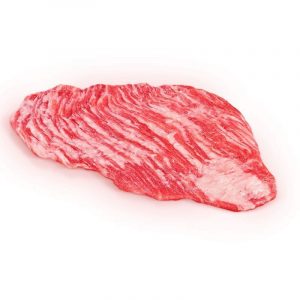
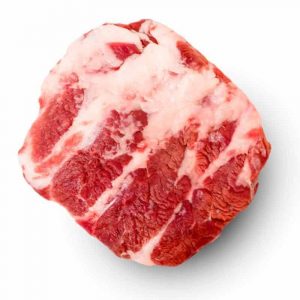
Secreto ibérico de bellota, 800 g
Secreto de cerdo ibérico de bellota, 800 g37,90€ VAT incl.Add to basketPresa ibérica de bellota, 750 g
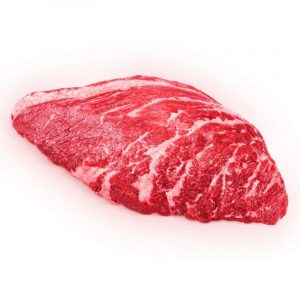
Presa de cerdo ibérico de bellota, 750 g37,90€ VAT incl.Add to basketPluma ibérica de bellota, 1 kg
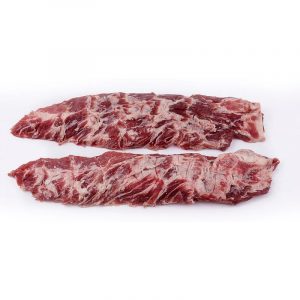
Pluma de cerdo ibérico de bellota, 1 kg Price range: 42,90€ through 46,90€ VAT incl.Choose weightPlumillas (small pluma cuts), ibérico pork, 1 kg
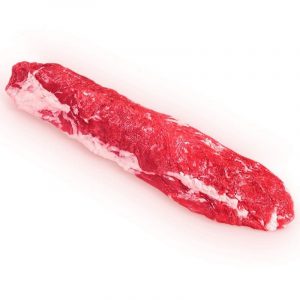
Plumillas de cerdo ibérico - 1 KG36,90€ VAT incl.Add to basketIbérico de bellota pork fillets, 2 pieces, 700 g
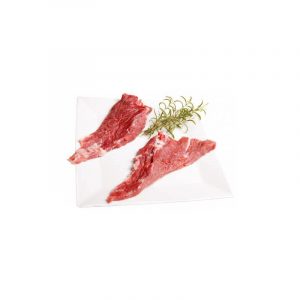
Solomillo de cerdo ibérico de bellota, 2 uds., 700 g31,90€ VAT incl.Add to basket
A glossary you can cook from
None of these cuts appears on a British or American butchery chart. The table places each one on the animal.
| Cut | Where on the pig | Texture | How to cook it |
|---|---|---|---|
| Secreto | Hidden between the shoulder and the belly fat | Thin, heavily marbled, crisp at the edges | Very hot grill or dry pan, a few minutes a side |
| Presa | Oval muscle at the shoulder end, above the loin; two per pig | Thick, close-grained, eats like a steak | Sear whole, finish on gentler heat, serve pink in slices |
| Pluma | Small triangle at the front end of the loin | Tender and loose-grained | Hot and fast, whole, then slice |
| Abanico | Fan-shaped layer covering the ribs | Thin, streaked with fat | Hot grill until the fat colours |
| Solomillo (pork fillet; US: tenderloin) | The fillet, as on any pig | Lean and mild | Sear whole, short oven finish, or cut into medallions |
| Carrilladas (cheeks) | The cheek muscle | Rich in gelatin, spoon-soft once braised | Slow braise, 1½–2 hours |
Why there is no English name
A British or American butcher leaves these muscles inside larger joints: secreto and abanico end up in the belly or on the ribs, presa and pluma inside the shoulder and the loin. Spanish butchers take them out and sell them separately, because on an ibérico pig they carry enough marbling to be grilled like steak. With no equivalent piece on a British counter, there was never an English word.
Secreto
The name means “secret”: you cannot see the cut until the shoulder is lifted away. It looks like a ragged slab streaked with fat. Do not trim it; the fat renders and the outside crisps.
Hot, fast and pink
- Out of the fridge 30 minutes ahead; pat dry. Salt only, no oil.
- Get the grill, griddle or heavy pan properly hot before the meat goes on.
- Secreto, pluma and abanico: two to four minutes a side, depending on thickness.
- Presa: sear on all sides, then move to gentler heat or an oven at 180 °C (355 °F) until the core reaches 60–63 °C (140–145 °F).
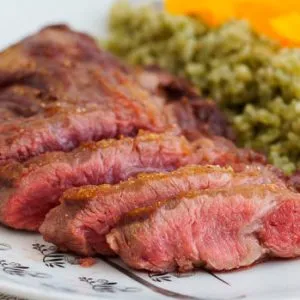
- Ibérico pork may be served pink. Rest it for five minutes and slice across the grain.
The two exceptions: cheeks, and a ready-cut selection
Cheeks are the one ibérico cut that wants slow cooking: brown them and braise them in wine or stock at 150–160 °C (300–320 °F) until a spoon goes through, as with the beef cuts on our stewing page. The second card is a grill selection of ibérico de bellota cuts for two, approx. 800 g, sold frozen and pre-cut: a simple way to taste several cuts before buying whole packs. Secreto also goes into two of our barbecue boxes.
Ibérico pork cheeks (carrilladas), 1 kg
Carrilladas de cerdo ibérico -1KG30,36€ VAT incl.Add to basketIbérico de bellota grill selection for 2 (frozen)
Kit Ibérico de Bellota para 227,50€ VAT incl.Contains processed meat: ask us for the allergen listView product


Ibérico pork, asked and answered
What is secreto ibérico?
A thin, heavily marbled cut of fresh ibérico pork, hidden between the shoulder and the belly fat. It is grilled hot and fast, then sliced. It has no English name.
What is the difference between presa and pluma?
Presa is the oval shoulder-end muscle above the loin, thick enough to cook like a steak; there are two per pig. Pluma (“feather”) is the small triangular cut at the front end of the loin, thinner and quicker to cook.
Can ibérico pork really be eaten pink?
Yes, ibérico pork may be served pink. A core temperature of 60–63 °C (140–145 °F) gives a rosy centre. If you prefer it cooked through, secreto and abanico have enough fat to stay juicy; presa and fillet dry out sooner.
What does “de bellota” mean?
That the pig was finished on acorns in the dehesa. We use the term only for products whose name includes it, so check the card.
Is this the same thing as ibérico ham?
Same breed of pig, but these are fresh, raw cuts for cooking, not cured ham.
Is any of it frozen?
Only the grill selection for two, which is frozen and pre-cut. The other cuts are sold chilled and can be frozen on arrival. For the beef side of the counter, see our guide to beef cuts in Spanish.