
Grand reopening, now taking pre-orders: 20% off everything until Wednesday 4 November, 17:00
Order now and secure your cuts. The first orders ship on Wednesday 4 November with SEUR Frío (refrigerated courier) and arrive the next day (Balearic Islands: two days).
On orders over €129: free delivery and a free tray of 4 criollo sausages.
Picanha · Rump cap · Picaña · Tapilla
Picanha in Spain: Ask for Picaña or Tapilla, With the Fat Left On
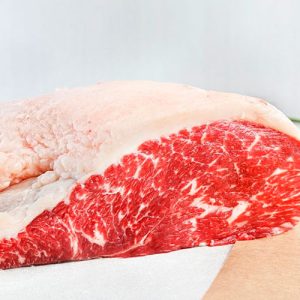
If you have been trying to find picanha since you moved here and keep getting a trimmed piece of rump, this page will save you the next trip. Picanha is the rump cap (US: picanha or coulotte): the piece that sits on top of the rump under a thick layer of fat. In Spain ask for picaña or tapilla and add con su grasa, “with its fat”, so nobody trims it. We sell a whole picanha of 1.5–2 kg from 100% retinto beef, vacuum-packed and delivered chilled.
Buy a whole picanha Barbecue boxes
- Whole piece, fat cap on, 100% retinto
- Shipped every Wednesday with SEUR Frío at 2–8 °C, delivered Thursday on the Spanish mainland
- Questions: write to us in English on WhatsApp

A whole retinto picanha, and what to grill next to it
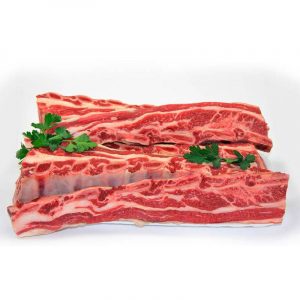
The picanha is sold as one piece of 1.5–2 kg at €59.90, which leaves the cutting to you: steaks, skewers or a single roast. The other three cards are the cuts that usually share a barbecue with it: flank, skirt and asado short ribs, all retinto.
Whole picanha (rump cap), 100% retinto, 1.5–2 kg
Picanha 100% Retinto, pieza completa 1,5 a 2 kg59,90€ VAT incl.Add to basketSkirt steak (entraña), retinto yearling beef, 1.5 kg
Entraña Añojo Retinto 1,5 KG44,90€ VAT incl.Add to basket


From the butcher’s counter to the carving board
What to say in a Spanish shop
Rump in Spain is cadera, and the cap on top of it is the picaña or tapilla. Both words are in use, so try one and then the other. The part that matters is the fat: say “con su grasa” every time, because a rump cap with the fat cut away is a different thing to cook. One trap while you are at the counter: what Americans call sirloin or top sirloin is British rump, cadera, while British sirloin is lomo bajo. The full list is in our guide to beef cuts in Spanish.
How to cut a whole piece
- Leave the fat cap alone. Score it lightly in a criss-cross without cutting into the meat.
- Turn the piece over and look at the lean side to see which way the fibres run.
- Cut your steaks in the same direction as the fibres, about 3 cm thick, so that each one keeps its own strip of fat. This feels wrong and is right.
- Once the steaks are cooked and rested, slice each one across the fibres to serve.
- If you roast the picanha whole instead, carve it across the fibres from the start.
With 1.5–2 kg to work with you will probably not cook it all at once. Cut what you need, wrap the rest in portions and freeze them on the day the parcel arrives.
Three ways to cook it
| Method | Heat | Rough timing | Good to know |
|---|---|---|---|
| Whole on the barbecue (US: grill) | Medium, indirect heat with the lid down, fat side up. Finish fat side down over direct heat. | Around 45 minutes to an hour for a piece this size. Go by the thermometer, not the clock. | Take it off at 54–57 °C (129–135 °F) for medium-rare and rest it for ten minutes. |
| Thick steaks | High, direct heat. | A few minutes per side, plus a minute standing on the fat edge. | Expect flare-ups from the dripping fat. Move the steak rather than spraying water. |
| Skewers, Brazilian churrasco style | Hot embers, turning often. | Carve as it cooks: slice off the outer layer, return the skewer to the heat, repeat. | Fold each thick steak into a C with the fat on the outside and thread it on a flat metal skewer. |
Salt, temperature and the oven option
- Coarse salt is the only seasoning the Brazilian method uses. Put it on just before the meat meets the heat.
- Rare is 50–52 °C (122–126 °F), medium-rare 54–57 °C (129–135 °F), medium 60–63 °C (140–145 °F). We would stop at medium-rare.
- No barbecue: brown the fat side in a heavy pan until it has given up some of its fat, then move the whole piece to an oven at about 180 °C (355 °F), fat side up, until it reaches the core temperature you want.
- Rest it under loose foil before carving. Ten minutes for a whole piece, five for steaks.
If picanha is one part of a longer barbecue, the usual Spanish and Argentine company is skirt steak (entraña), flank (vacío) and asado short ribs.
Picanha: the short answers
What is picanha called in Spanish?
Picaña or tapilla, depending on the shop; in British terms it is the rump cap. Add “con su grasa” so that the fat cap stays on.
Is picanha the same as rump steak?
No, they are neighbours, not the same piece. Rump steak is cut from the main rump, cadera in Spanish. Picanha is only the cap that lies on top of it, and it is sold and cooked with its fat.
Should I trim the fat before cooking?
Please do not. The fat cap bastes the meat as it cooks and crisps on the outside. Anyone who does not want to eat it can leave it on the plate.
Can I freeze part of the piece?
Yes, that is the sensible thing to do. The picanha arrives chilled and vacuum-packed. Cut it into steaks, keep what you will cook in the next days in the fridge and freeze the rest on arrival.
Is the checkout in English?
No, but it is easier than it sounds. The basket, checkout, order e-mails and terms of sale are in Spanish, and the contract is concluded in Spanish; these English pages are a courtesy guide. The steps are explained on the delivery page.