
Grand reopening, now taking pre-orders: 20% off everything until Wednesday 4 November, 17:00
Order now and secure your cuts. The first orders ship on Wednesday 4 November with SEUR Frío (refrigerated courier) and arrive the next day (Balearic Islands: two days).
On orders over €129: free delivery and a free tray of 4 criollo sausages.
Fillet · Ribeye · Solomillo · Entrecot
Fillet vs Ribeye: Which Steak Is More Tender, and Which Tastes of More
Fillet (US: tenderloin), solomillo in Spain, is the most tender steak on the animal. Ribeye, sold in Spain as entrecot, has more fat between the fibres and more flavour. If you want meat that gives way under a fork, buy solomillo. If you want flavour and something to chew, buy entrecot, and ask for it from the lomo alto.
- Most tender: fillet. Most flavour: ribeye
- Never take fillet past medium; it is lean and dries out
- Fillet 200–250 g per person, ribeye 250–350 g
Where each one comes from
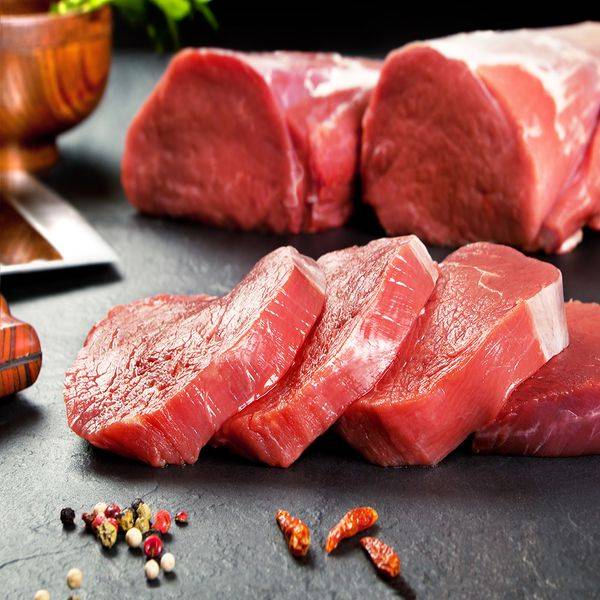
The fillet is the psoas major muscle. It lies on the inner side of the lomo bajo, against the spine, in a part of the animal that hardly moves. Each animal has only two fillets, of 2 to 3 kg each. Small supply and high demand: that is why it is the most expensive cut per kilo.
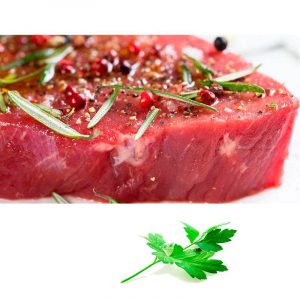
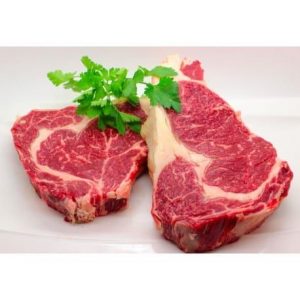
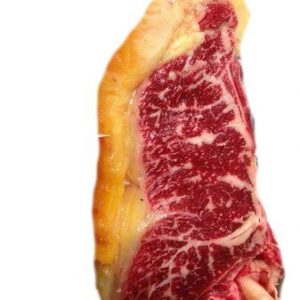
The ribeye comes from the loin itself, the long muscle that runs along the backbone (longissimus dorsi). It is the same cut as a chuletón with the bone taken off. It has more marbling than the fillet, and that fat gives flavour and juiciness. One Spanish detail: entrecot simply means a boneless loin steak, so it can be ribeye, from the lomo alto, or sirloin (US: striploin), from the lomo bajo. The lomo alto vs lomo bajo guide explains the two ends.
| Fillet | Ribeye | |
|---|---|---|
| Ask for in Spain | solomillo | entrecot de lomo alto |
| Fat | Lean | Marbled |
| Tenderness | The most tender cut on the animal | Tender, with more bite |
| Flavour | Mild | Fuller |
| How it is cut | Medallions of 3–4 cm, or left whole | Steaks of 2–3 cm |
| Per person | 200–250 g | 250–350 g |
| The limit | Never past medium | More forgiving, still best rare to medium |
Tenderness and flavour are two different things
How tender a piece of meat is depends above all on how much the muscle has worked. The fillet has done almost nothing; the loin a little more. That is why fillet can be cut with a fork.
Flavour takes another road. It depends on marbling, on the breed, on the age of the animal and on ageing. Fillet is lean and mild. Ribeye has more fat between the fibres: more flavour, more texture, more to chew. Neither is better. There is a cut for each person and each dish.
When to choose fillet
- When tenderness comes before everything else.
- For children, or for anyone who does not want visible fat on the plate.
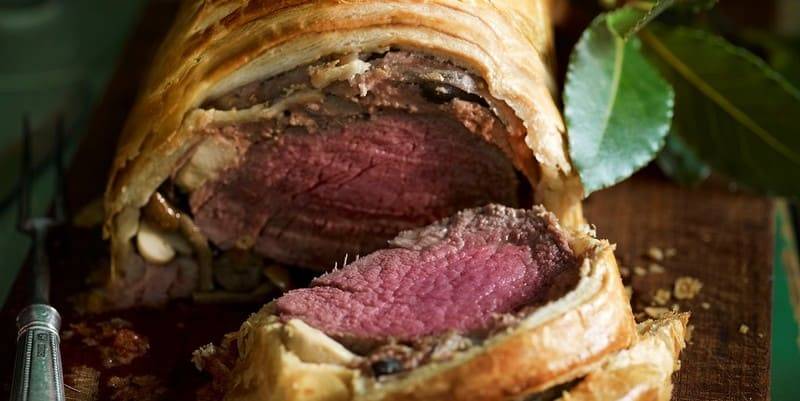
- For a beef Wellington, which needs a cylindrical, lean, even piece.
- For steak tartare: clean meat with no sinew or fat, chopped with a knife.
When to choose ribeye
- When you want the taste of beef, not only the texture.
- For a griddle or the barbecue (US: grill), where the fat browns and adds to the steak.
- When you want a generous portion at a lower price per kilo.
How to cook each
Fillet is cut into medallions of 3–4 cm. Because it is lean, it dries out if it goes too far, and the rule is simple: never past medium, 60–63 °C (140–145 °F) at the core, and better at medium-rare, 54–57 °C (129–135 °F). Sear it hard on the outside, keep the inside pink and rest it before cutting. Cooked whole, for a Wellington or in the oven, the same logic applies.
Ribeye goes in steaks of 2–3 cm. It stands the heat better because the fat protects it, but it is still at its best rare, 50–52 °C (122–126 °F), or medium-rare. A very hot pan or griddle, a couple of minutes a side depending on thickness, and a rest.

How much to buy
Fillet: 200–250 g per person. A whole mature cow fillet of approx. 2.3 kg gives about ten portions, or one large Wellington. Whole fillets are big pieces, so plan to portion what you do not need and freeze it on arrival. At a Spanish counter ask for “solomillo de ternera” or “solomillo de vaca”, either “entero”, whole, or “en medallones de tres o cuatro centímetros”. Do not ask for filete, which is a thin frying steak.
Ribeye: 250–350 g per person. There is more on portions in how much steak per person.
Yearling or mature cow?
Yearling (añojo) fillet is milder and paler. Fillet from a mature cow (vaca) has more flavour and is still the most tender cut on that animal. For children, or for anyone who wants tenderness and nothing else, yearling is plenty. For tenderness with some character, choose the cow.
A third option: both at once
If you cannot decide, a T-bone is lomo bajo on the bone with a piece of fillet on the other side of it. Strictly that is sirloin and fillet, but it puts the two textures in one piece, for the barbecue and for sharing.
Fillet, entrecôte and the T-bone
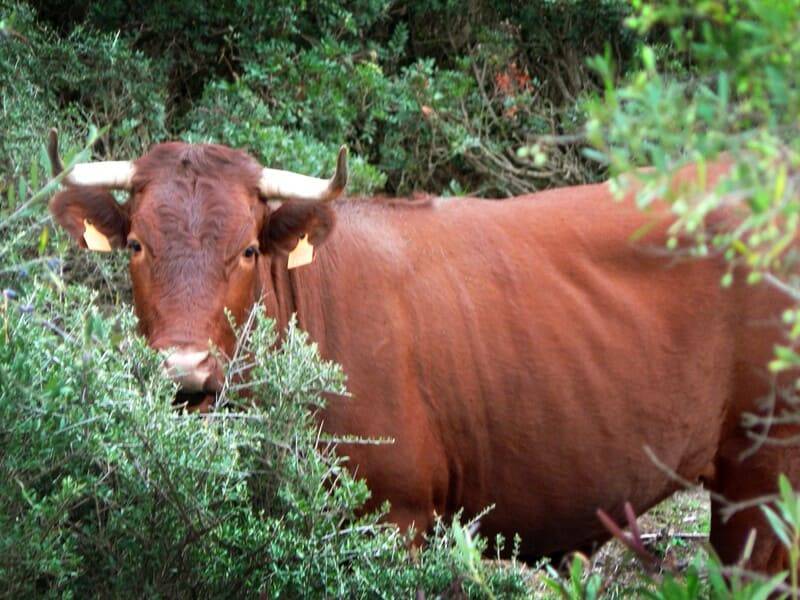
Whole fillets from retinto yearling and from retinto × Limousin (approx. 2.5 kg), entrecôte steaks in packs of two from retinto mature cow and Black Angus, and the retinto T-bone for the undecided.
Whole fillet (tenderloin), retinto yearling beef
Solomillo de añojo retinto Price range: 47,90€ through 50,50€ VAT incl.Choose weightWhole fillet (tenderloin), retinto × Limousin, approx. 2.5 kg
Solomillo de Vacuno Mayor Retinto-Limousine 2.5 Kg aprox.139,90€ VAT incl.Add to basket2 retinto cow entrecôte steaks, 650 g
2 entrecots de vaca retinta, 650 g34,90€ VAT incl.Add to basketT-bone steak, retinto cow
T-Bone Vaca Retinta Price range: 42,90€ through 49,90€ VAT incl.Choose weight


Fillet or ribeye: the usual questions
Which is more tender, fillet or ribeye?
Fillet. It is the psoas major, a muscle that hardly works, and that makes it the most tender cut of beef. Ribeye is a little less tender but has more marbling, and with it more flavour and juiciness.
Why is fillet more expensive?
Because there is so little of it. Each animal has only two fillets, of 2 to 3 kg each, and demand is high. It is the most expensive cut per kilo.
How do I cook fillet so that it does not dry out?
In medallions of 3–4 cm, seared hard and never taken past medium, 60–63 °C (140–145 °F). Rest it before cutting.
What are fillet and ribeye called in Spanish?
Fillet is solomillo. Ribeye is lomo alto, and as a boneless steak it is sold as entrecot; say “entrecot de lomo alto” to be sure. The fillet steak page has more on buying solomillo.