
Grand reopening, now taking pre-orders: 20% off everything until Wednesday 4 November, 17:00
Order now and secure your cuts. The first orders ship on Wednesday 4 November with SEUR Frío (refrigerated courier) and arrive the next day (Balearic Islands: two days).
On orders from €129: free delivery to mainland Spain and a free tray of 4 criollo sausages.
Argentina · Spain · UK · US · Germany
Argentine Beef Cuts in English and What to Ask For in Spain
Bife de chorizo is sirloin (US: striploin, New York strip), lomo bajo to a Spanish butcher, and ojo de bife is ribeye, in Spain lomo alto. Vacío is flank, entraña is skirt and asado de tira is short ribs sawn across the bone, sold in Spain as tira de asado. Peceto is the salmon cut (US: eye of round), sold as redondo, and cuadril is rump (US: top sirloin), which Spain calls cadera.
- Bife de chorizo is lomo bajo: UK sirloin, US New York strip
- Argentine lomo is the fillet (US: tenderloin); in Spain ask for solomillo
- Vacío and entraña keep their names in Spain, though few butchers stock them

Argentine names side by side
Most Argentine cuts have a Spanish counterpart, often under another name. The rest of the animal is on our beef cuts in Spanish page.
| Argentina | Spain: ask for | UK | US | German |
|---|---|---|---|---|
| Bife de chorizo (bife angosto) | Lomo bajo; as a boneless steak: entrecot | Sirloin | Striploin, New York strip | Roastbeef, Rumpsteak (AT: Beiried) |
| Ojo de bife (bife ancho) | Lomo alto; on the bone: chuletón | Ribeye | Ribeye | Hochrippe, Entrecôte |
| Lomo | Solomillo | Fillet | Tenderloin | Rinderfilet (AT: Lungenbraten) |
| Vacío | Vacío, part of the falda | Flank, bavette | Flank steak | Flank Steak, Dünnung |
| Entraña | Entraña | Skirt | Outside skirt | Saumfleisch, Kronfleisch |
| Asado de tira | Tira de asado; thin strips: churrasco | Short ribs, cross-cut | Short ribs, flanken cut | Querrippe, Spannrippe |
| Cuadril | Cadera | Rump | Top sirloin | Hüfte (CH: Huft) |
| Tapa de cuadril | Picaña, tapilla | Rump cap | Picanha, coulotte | Hüftdeckel |
| Colita de cuadril | Rabillo de cadera | No common name | Tri-tip | Bürgermeisterstück |
| Peceto | Redondo | Salmon cut | Eye of round | Schwanzrolle, Semerrolle |

The seven names people ask about
Bife de chorizo
A steak, not a sausage, cut from the loin behind the ribs: leaner and firmer than ribeye, with a strip of fat along one edge. In Spain ask for “un entrecot de lomo bajo, de tres centímetros” (a sirloin steak three centimetres thick), because a plain entrecot can come from either end of the loin. Grill it hot and take it off at 54–57 °C (129–135 °F) for medium-rare. Both ends of the loin are compared in our guide, lomo alto vs lomo bajo.
Ojo de bife
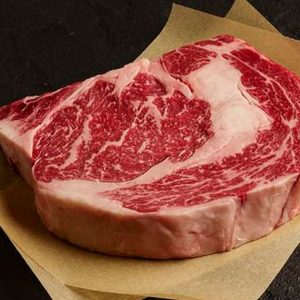
Ribeye, from the rib end of the same loin, with more marbling and a seam of fat through the middle. The boneless piece is sold as cube roll (US: ribeye roll); for a single steak, ask for “entrecot de lomo alto”. Cut thick on the bone, it becomes a chuletón. The marbling makes it more forgiving over the fire than bife de chorizo.
Vacío
Flank, also sold in Britain as bavette. To a Spanish butcher it is part of the falda, the belly; vacío is its barbecue name, so if the butcher hesitates, say “vacío entero, para la parrilla” (a whole vacío, for the grill). Argentines grill it whole and slowly over medium embers, fat side down first, turn it once and carve it across the grain.
Entraña
Skirt, the diaphragm muscle: thin, coarse-grained and full of flavour. Spain uses the same word, but not every butcher stocks it, so order it a few days ahead. It wants a hot fire and under ten minutes in all: take it off at 52 °C (126 °F), then slice it across the grain. The full method is in our guide on how to grill skirt steak.
Asado de tira
Short ribs (Jacob’s ladder) sawn across the bones into long strips. Spanish shops sell it as tira de asado, and thin strips of about 1 cm as churrasco. Say “de ternera” or “de vaca” (beef), because supermarket churrasco in Spain is often pork. Cook it over a medium fire, bone side down first. More on our short ribs page.
Peceto
The salmon cut, the small cylindrical muscle of the silverside (US: bottom round), sold in Spain as redondo. It is uniform, with no sinew and hardly any fat: brown it all over, roast it in a moderate oven to 54–57 °C (129–135 °F) at the core, rest it and slice it thinly. Other oven cuts are on our roast beef joints page.
Cuadril, with its cap and tail
Rump to a British butcher, top sirloin to an American, cadera in Spain: lean, with more bite than the loin, good as thick steaks or roasted whole. The tapa de cuadril is the rump cap, in Spain picaña or tapilla; ask for it “con su grasa” (with its fat cap). The colita de cuadril, the tail, is the American tri-tip and the Spanish rabillo de cadera.
The word that trips people up: lomo
In Argentina lomo is the fillet. In Spain lomo is the loin (lomo alto and lomo bajo) and the fillet is solomillo. Churrasco changes too: a boneless steak in Argentina, a strip of rib with its bone in Spain.
The Argentine cuts, under their Spanish names
We sell striploin (bife de chorizo) and cube roll (ojo de bife) by weight; flank and skirt from retinto, the native cattle of south-west Spain (ours come from Cádiz); and a whole redondo (peceto) of about 2.5 kg, to roast half and freeze the rest. If in doubt, write to us in English on WhatsApp, +34 695 34 63 29.
Striploin / sirloin (lomo bajo), American or Argentine beef
Lomo bajo Americano y Argentino Price range: 58,30€ through 82,50€ VAT incl.Choose weightRibeye (cube roll), South American beef
cube roll u ojo de bife - Sudamérica Price range: 41,80€ through 58,30€ VAT incl.Choose weightSkirt steak (entraña), retinto yearling beef, 1.5 kg
Entraña Añojo Retinto 1,5 KG44,90€ VAT incl. (€29.93/kg)Add to basketEye of round (redondo), whole retinto joint, approx. 2.5 kg
Redondo o Peceto de Vacuno Retinto, pieza completa 2,5 kg aprox.67,90€ VAT incl. (€27.16/kg)Add to basket



Argentine cut names: short answers
What is bife de chorizo in English?
Sirloin in Britain and Ireland, striploin or New York strip in the US. In Spain ask for lomo bajo, or entrecot de lomo bajo for a boneless steak.
What cut is ojo de bife?
Ribeye, lomo alto in Spain. A boneless steak from it is an entrecot de lomo alto; a thick one on the bone is a chuletón.
What is peceto?
The salmon cut of the silverside, eye of round in the US. In Spain ask for redondo; it is lean and roasts well whole.
Is entraña the same as vacío?
No. Entraña is skirt, the diaphragm; vacío is flank (bavette), from the belly wall. Skirt is thinner and wants a hotter, shorter fire.